Could the Antichrist Emerge from Turkey? Biblical Prophecies on the Assyrian, Daniel 11, Ezekiel 38-39, and the Holy Land Epicenter
In the spiritual realm, principalities and powers oversee nations (Ephesians 6:12), yet Israel remains God's chosen portion (Deuteronomy 32:9). But which nation does Scripture most closely associate with Satan's influence in the end times? The Bible provides direct and indirect clues pointing to regions in the Middle East, particularly modern-day Turkey, as a potential hub for eschatological events. This article explores the biblical link to Satan's throne in ancient Pergamum, the rise of the Antichrist, and key prophecies including the Assyrian figure, Daniel 11's King of the North, and Ezekiel 38-39's Gog and Magog invasion—all while emphasizing the Holy Land as the prophetic epicenter.
Satan's Throne in Ancient Pergamum: A Direct Biblical Clue
The Bible explicitly references Satan's throne in Revelation 2:13 (ESV):
“‘I know where you dwell, where Satan’s throne is. Yet you hold fast my name, and you did not deny my faith even in the days of Antipas my faithful witness, who was killed among you, where Satan dwells.’”
This points to ancient Pergamum (Pergamon), a center of pagan worship with its grand altar to Zeus, located in modern-day Turkey near Bergama.
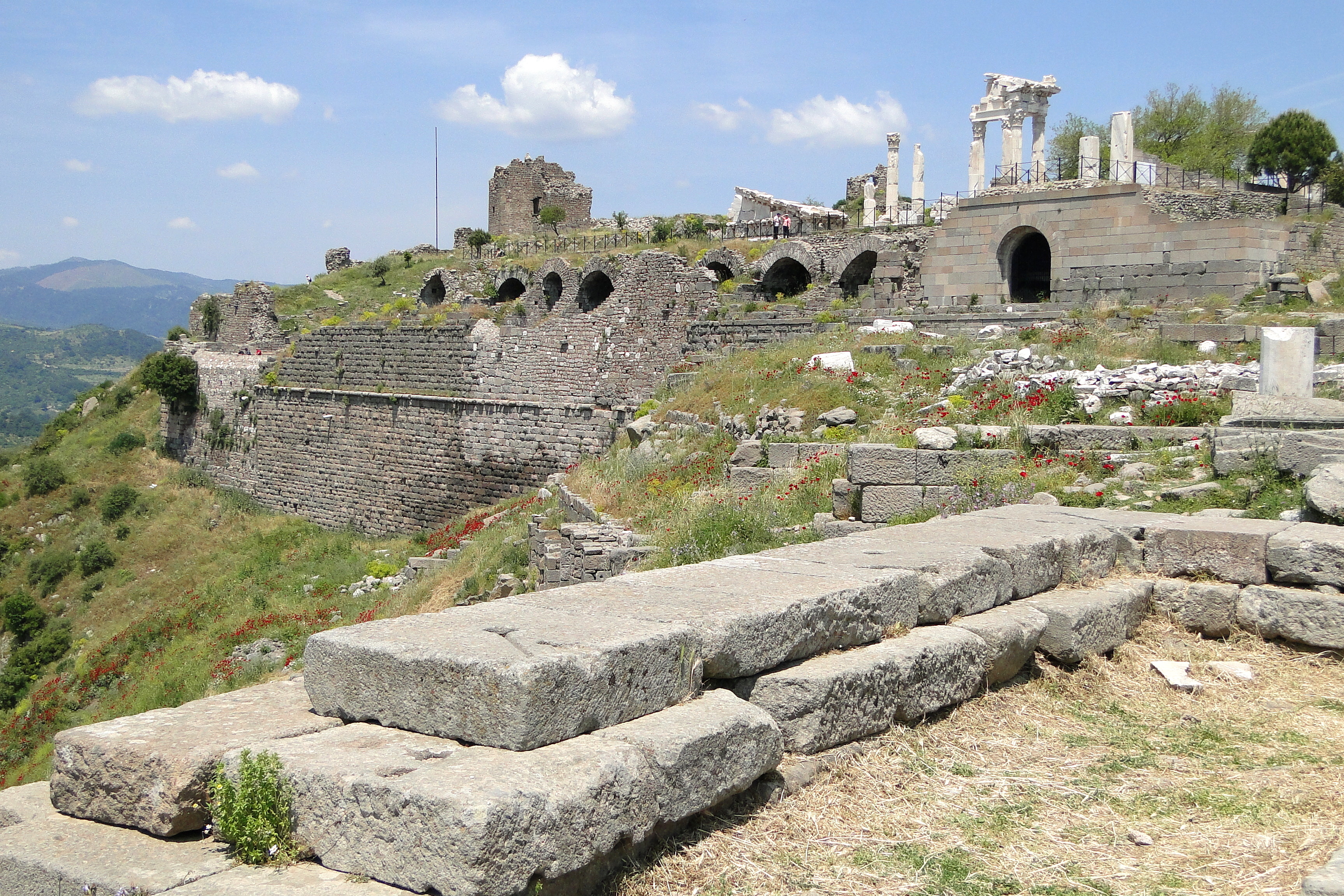

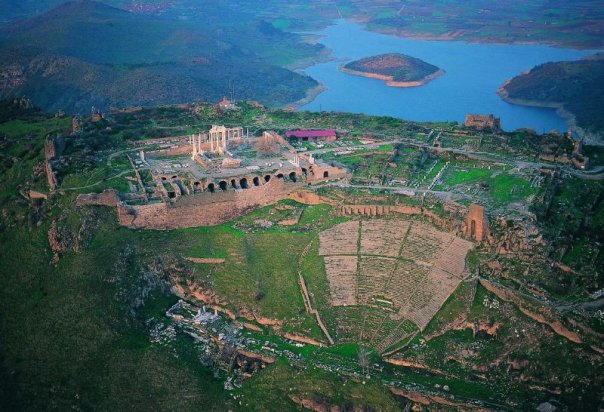

This connection suggests Turkey as a spiritual stronghold for dark forces, aligning with broader end-times patterns.
The Rise of the Lawless One: Antichrist Empowered by Satan
The Antichrist, or "lawless one," will be directly empowered by Satan, as described in 2 Thessalonians 2:9-10 (ESV):
"The coming of the lawless one is by the activity of Satan with all power and false signs and wonders, and with all wicked deception for those who are perishing, because they refused to love the truth and so be saved."
This sets the stage for a cosmic spiritual battle between light and darkness, with prophetic indicators suggesting a Middle Eastern origin for this figure.
The Assyrian Prophecy: A Potential Antichrist Archetype
Biblical prophecies often reference an "Assyrian" figure tied to end-times judgment and opposition to God. In Isaiah 10:5-19 (ESV), Assyria is depicted as the "rod of [God's] anger," but ultimately judged for its arrogance:
"Ah, Assyria, the rod of my anger; the staff in their hands is my fury! ... But he does not so intend, and his heart does not so think; but it is in his heart to destroy, and to cut off nations not a few."
Many eschatologists link this to the Antichrist, especially in Micah 5:5-6 (ESV), which speaks of deliverance from the Assyrian invading the land:
"And he shall be their peace. When the Assyrian comes into our land and treads in our palaces, then we will raise against him seven shepherds and eight princes of men; they shall shepherd the land of Assyria with the sword..."
The ancient Assyrian Empire encompassed parts of modern Turkey, Syria, Iraq, and surrounding areas.

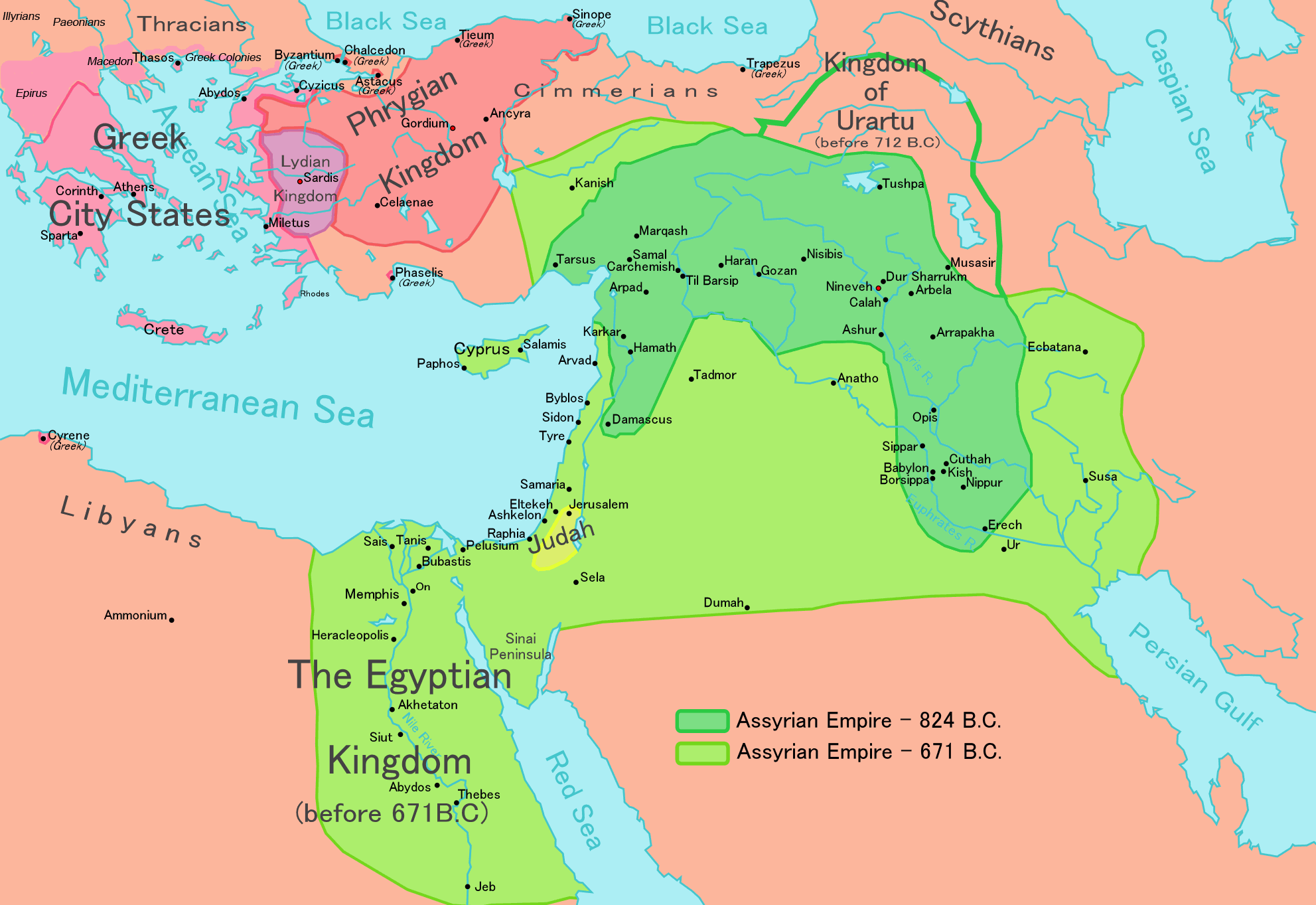
This "Assyrian" motif reinforces the potential role of the broader region historically tied to Assyria, not limited to modern Turkey alone.
Daniel 11: The King of the North and End-Times Conflicts
Daniel 11 provides a detailed prophecy of conflicts between the "King of the North" and "King of the South," often interpreted as end-times powers. Verses 40-45 (ESV) describe the King of the North's invasion:
"At the time of the end, the king of the south shall attack him, but the king of the north shall rush upon him like a whirlwind... He shall come into the glorious land. And tens of thousands shall fall..."
The "King of the North" is historically linked to the Seleucid Empire, centered in Syria and extending into Turkey. In prophetic terms, this points to a northern aggressor targeting the Holy Land, aligning with the Assyrian region's geographic position.
Ezekiel 38-39: The Gog and Magog Invasion
Ezekiel 38-39 prophesies a massive invasion of Israel by Gog from the land of Magog, the "chief prince of Meshech and Tubal" (Ezekiel 38:2-3, ESV):
"Son of man, set your face toward Gog, of the land of Magog, the chief prince of Meshech and Tubal, and prophesy against him and say, Thus says the Lord God: Behold, I am against you, O Gog..."
These ancient names—Meshech, Tubal, and Magog—are associated with regions in modern Turkey (Anatolia). Allies include Persia (Iran), Cush (Sudan/Ethiopia), and Put (Libya), forming a coalition against Israel. God intervenes dramatically, destroying the invaders (Ezekiel 39:1-6).

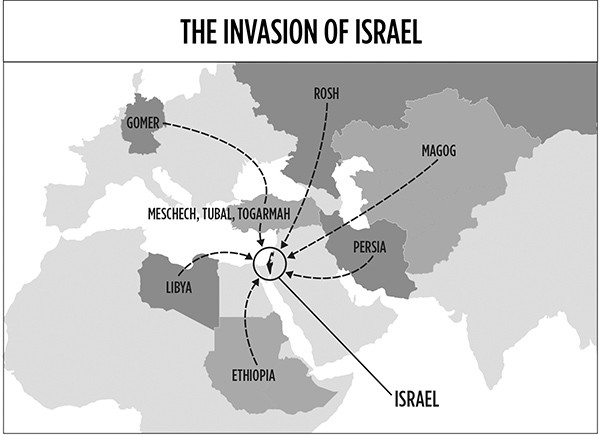
This battle underscores the Holy Land's role as the epicenter of end-times events.
The Holy Land as the Biblical Epicenter
Scripture consistently positions the Holy Land—Israel and Jerusalem—as the focal point of God's redemptive plan and prophetic fulfillment. From Abraham's covenant (Genesis 12:1-3) to the final battle at Armageddon (Revelation 16:16), the land is where divine intervention unfolds. Prophecies like Zechariah 14:2-4 describe nations gathering against Jerusalem, only for the Lord to defend it. This assumption ties all these prophecies together: invasions from the north (like the Assyrian, King of the North, or Gog) target the Holy Land, making it the spiritual and geographic bullseye.
In the spiritual realm, principalities and powers oversee nations (Ephesians 6:12), exerting influence over earthly rulers and events. Yet, Israel stands apart as God's chosen portion (Deuteronomy 32:9), described as the "apple of His eye" (Zechariah 2:8). This unique status makes Israel the epicenter of cosmic conflict, where the forces of darkness converge to challenge God's sovereignty. The Bible portrays Israel as the stage for ultimate redemption, with prophecies centering on its restoration (Ezekiel 37) and the Messiah's return to Jerusalem (Zechariah 14). Unlike other nations under demonic oversight, Israel's destiny is intertwined with God's eternal purposes, drawing both divine protection and satanic opposition. This spiritual dynamic explains why end-times battles repeatedly focus here—it's the heart of the unseen war between light and darkness.
Turkey's Current Influence in Syria: A Modern Watchpoint
Turkey's geopolitical role continues to draw attention. Following Bashar al-Assad's fall in late 2024, Ahmed al-Sharaa served as Syria's caretaker leader until his appointment as president on January 29, 2025. Sharaa has maintained close ties with Turkish President Recep Tayyip Erdogan, including meetings in Istanbul in May 2025 and Ankara in February 2025. Erdogan has expressed willingness to visit Syria under suitable conditions as of December 2025. Turkey has also lifted asset freezes on Syrian officials and plays a key role in regional dynamics.


These developments echo prophetic patterns of northern alliances influencing the Middle East.
Why Watch Turkey and the Broader Assyrian Region in End-Times Prophecy?
- Direct Biblical Links: Satan's throne (Revelation 2:13), Assyrian (Isaiah 10, Micah 5).
- Prophetic Conflicts: King of the North (Daniel 11), Gog invasion (Ezekiel 38-39).
- Holy Land Focus: All paths lead to Israel as the epicenter.
- Modern Geopolitics: Turkey's bridging of Europe and Asia, plus influence in Syria, but extend watchfulness to the entire ancient Assyrian empire region—including Syria, Iraq, and neighboring areas—due to historical and prophetic ties.
As believers, we're called to watch and pray (Matthew 24:42). While speculation abounds, Scripture urges discernment, encouraging us to monitor not only Turkey but the wider Middle Eastern landscape shaped by Assyrian legacies.
What are your thoughts on these prophecies? Share below!


.jpg)
Comments
Post a Comment